In the small village of Hahara in Assam, a group of determined women transformed traditional knowledge into a powerful journey of empowerment and self-reliance. The Kanaklata 2 Self-Help Group (SHG), established in 2015, stands today as an inspiring example of how collective effort, skill development, and institutional support can change lives while preserving cultural heritage. The group was formed with the support of Swabalami Handloom & Handicraft Development Co-operative Society Ltd. and Creative, a Society for Rural Economic Development, with the objective of empowering women through Eri handloom weaving.
The journey began with twelve women from Hahara village who possessed traditional skills in Eri silk weaving but had limited opportunities to convert those skills into sustainable livelihoods. Although they had talent and determination, they struggled with several challenges including shortage of capital, fluctuating market prices, poor marketing facilities, transportation problems, and limited access to modern technology and training. These difficulties restricted productivity and made it challenging for them to compete in wider markets.
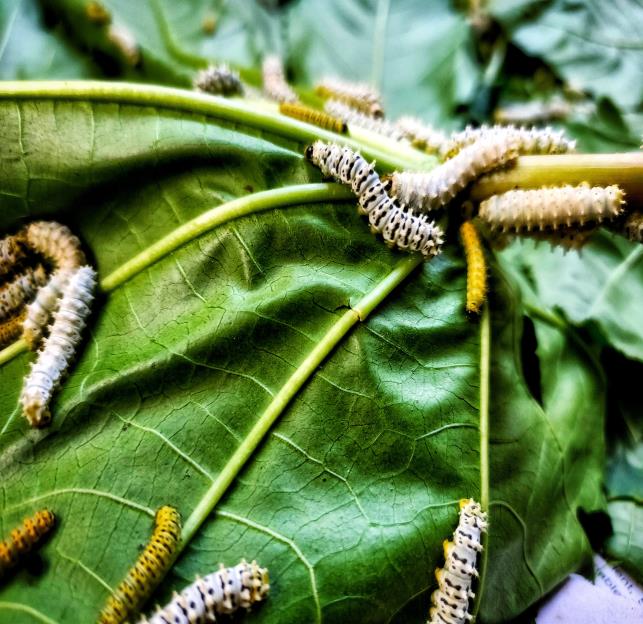
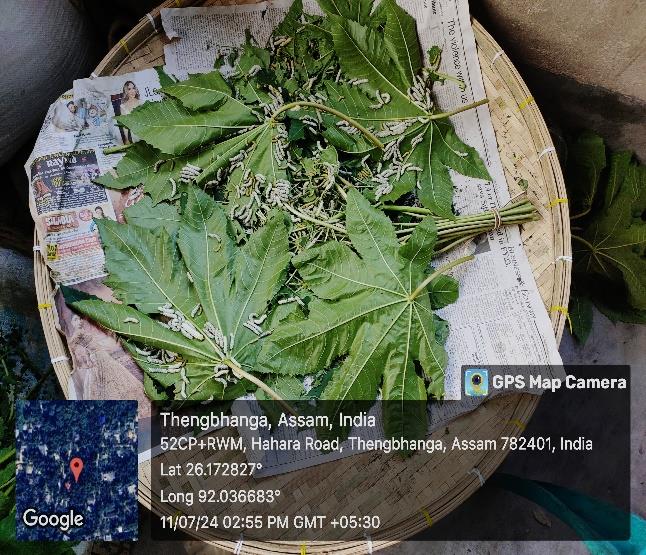
Despite these obstacles, the women remained committed to preserving their traditional craft and improving their economic conditions. Their work involved the complete Eri silk production process, from rearing silkworms and cultivating feed plants to spinning, dyeing, and weaving yarn into beautiful products such as sarees, shawls, and stoles. Their dedication laid a strong foundation for future growth.
A turning point in their journey came through the implementation of the SFURTI initiative. Under this project, supported by Creative and associated organizations, the SHG members received extensive training in advanced weaving techniques, quality improvement, entrepreneurship, and leadership development. Exposure to exhibitions and fairs at local, national, and international levels opened new market opportunities and helped the women gain recognition for their products.
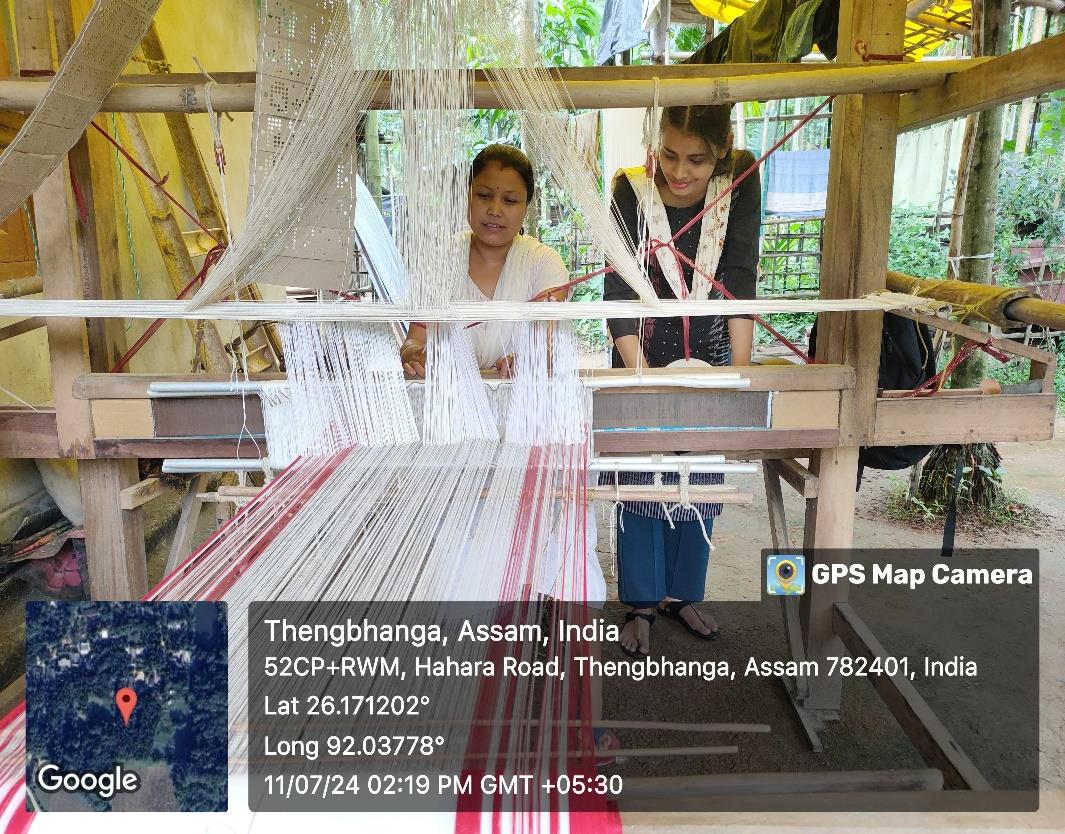
With improved skills and access to better opportunities, the Kanaklata 2 Self-Help Group diversified its product range and introduced modern designs while maintaining the authenticity of traditional Eri silk craftsmanship. Their products began attracting a larger customer base, resulting in significant growth in demand and income. Through these interventions, members experienced remarkable economic improvement, with individual monthly earnings increasing from approximately ₹2,000–₹3,000 to around ₹8,000–₹10,000.
The impact of this transformation extended far beyond financial gains. The success of the SHG inspired many other women in the community to form similar groups, creating a culture of cooperation, mutual support, and collective development. Members also acquired additional skills in organic farming, digital marketing, and leadership, enabling them to contribute more effectively to their families and communities.